bihartravel
Collections15 ways in

Travel Bihar by interest

Famous places sorted by why you'd go, not where they sit on the map. Each collection has a signature moment, the places that earn it, and the routes that string them together. The last seven follow the state's official tourism circuits — Buddhist, Jain, Sikh, Sufi, Ramayan, Gandhi and Eco.

Spiritual Bihar

Start here · 11 places

Spiritual Bihar

Open collection
Outdoors & Adventure
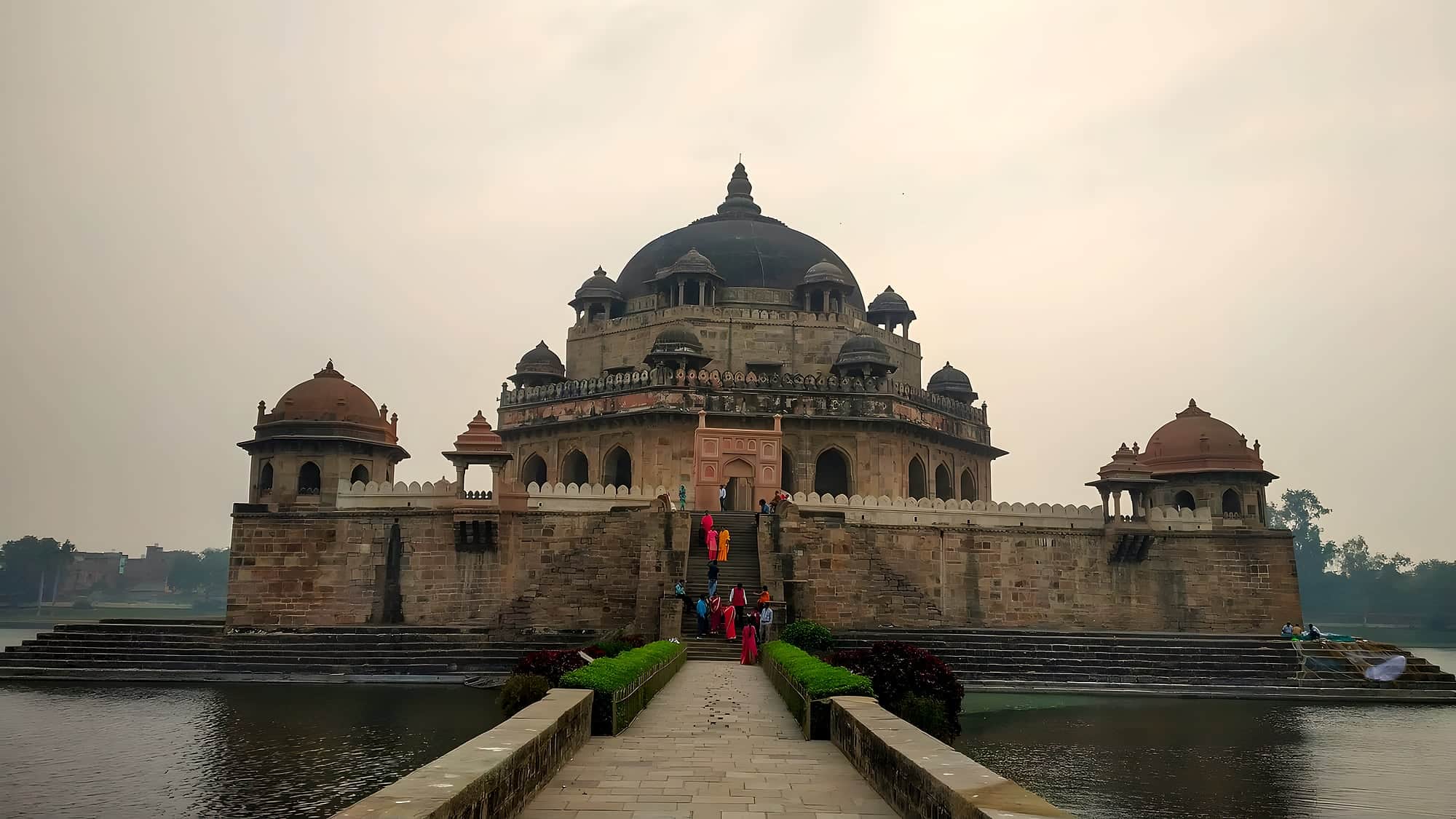
© Odantapuribs · CC BY-SA 4.0

02 · 9 places · 3 routes

Outdoors & Adventure

Glass bridges, white water, waterfalls and birds

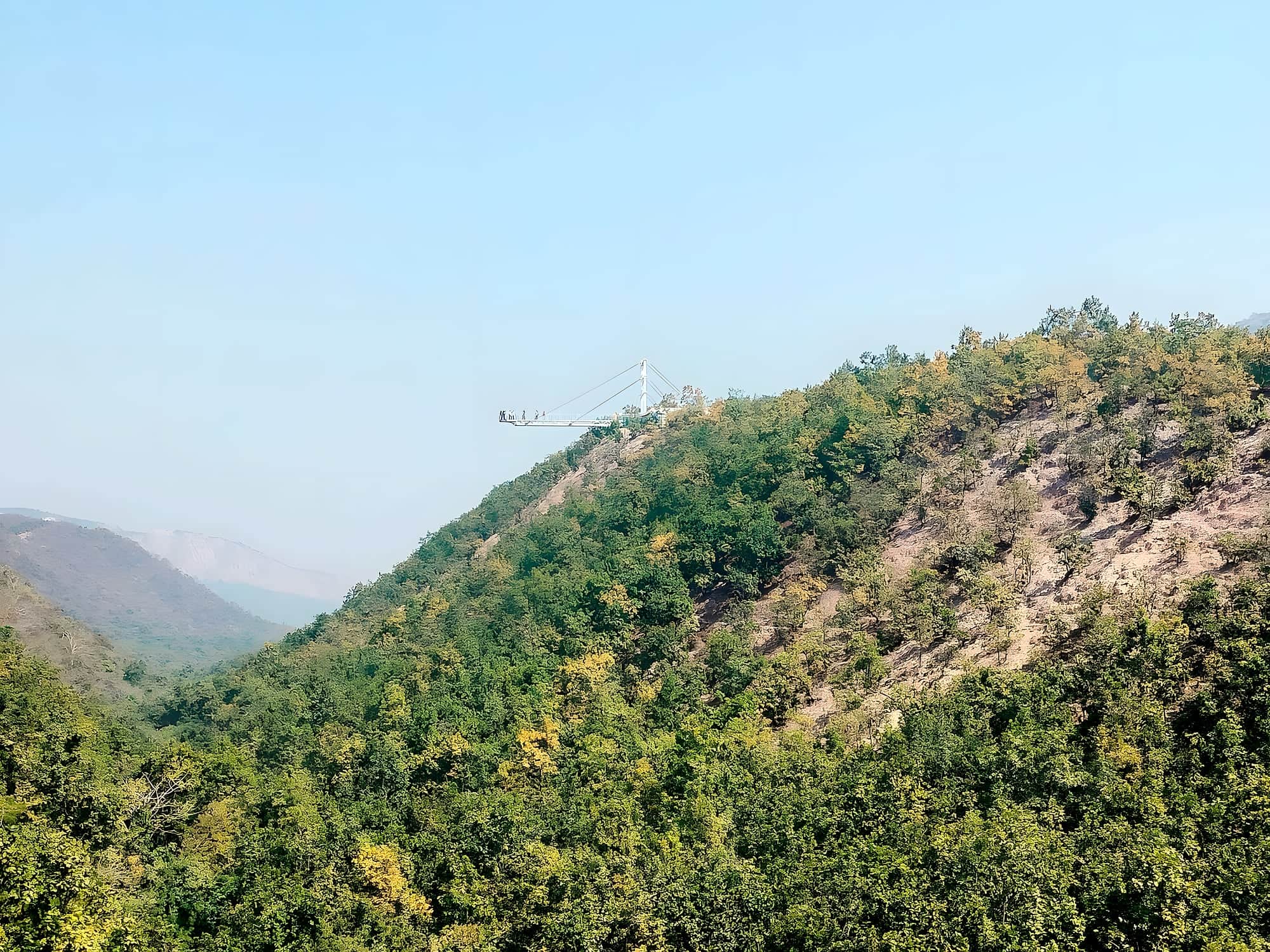
Bihar's wild side is new to most travellers and almost empty: a glass skywalk and zipline over a Rajgir valley, rafting on a Himalayan river at Valmikinagar, monsoon waterfalls on the Kaimur edge, a tiger reserve, and two granite-ringed lakes where 20,000 birds winter.

Open collection
Rivers & Wildlife
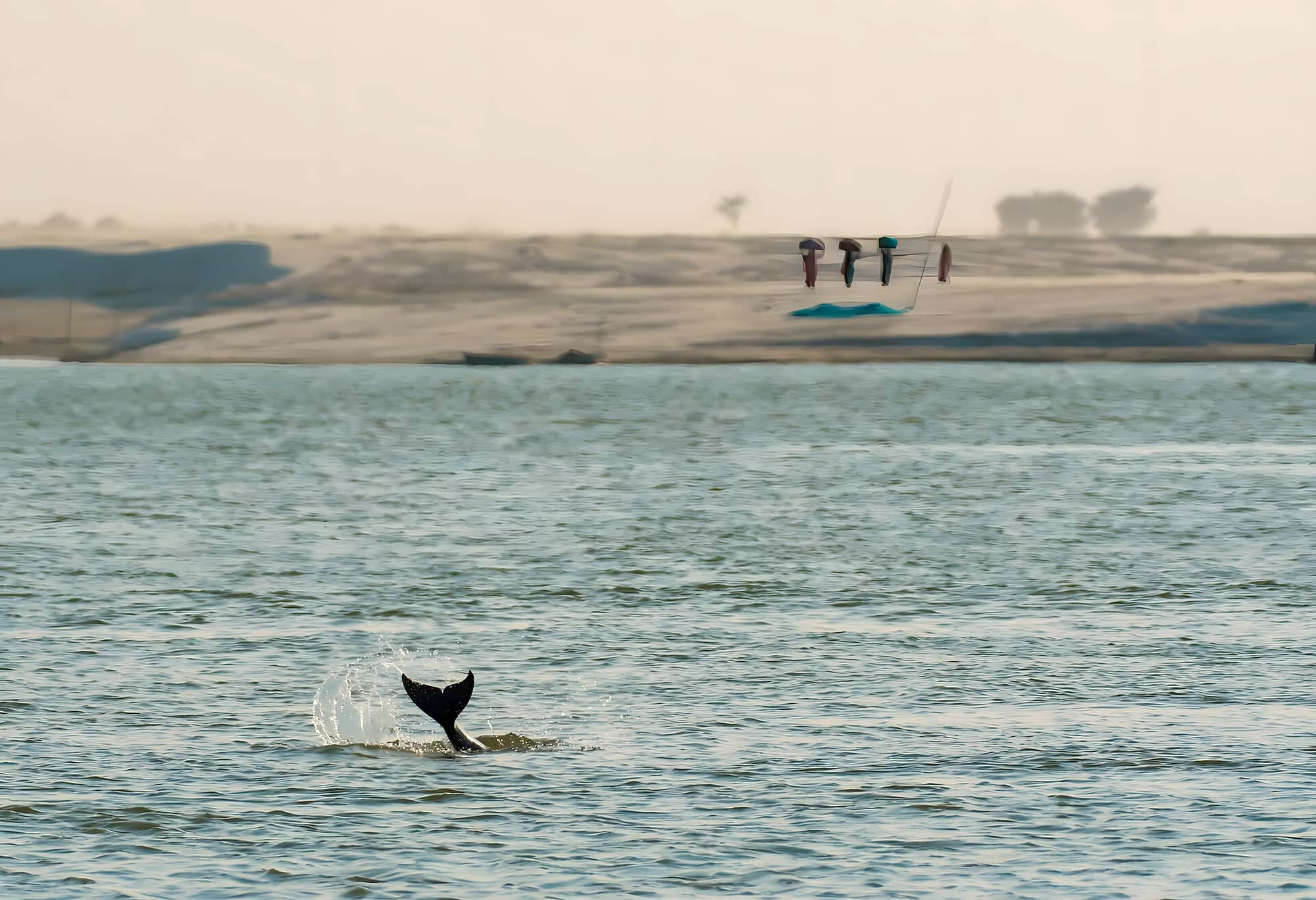
© Mr mrinal kaushik · CC BY-SA 4.0

04 · 8 places · 2 routes

Rivers & Wildlife

Dolphins, gharial, tigers and twenty thousand geese

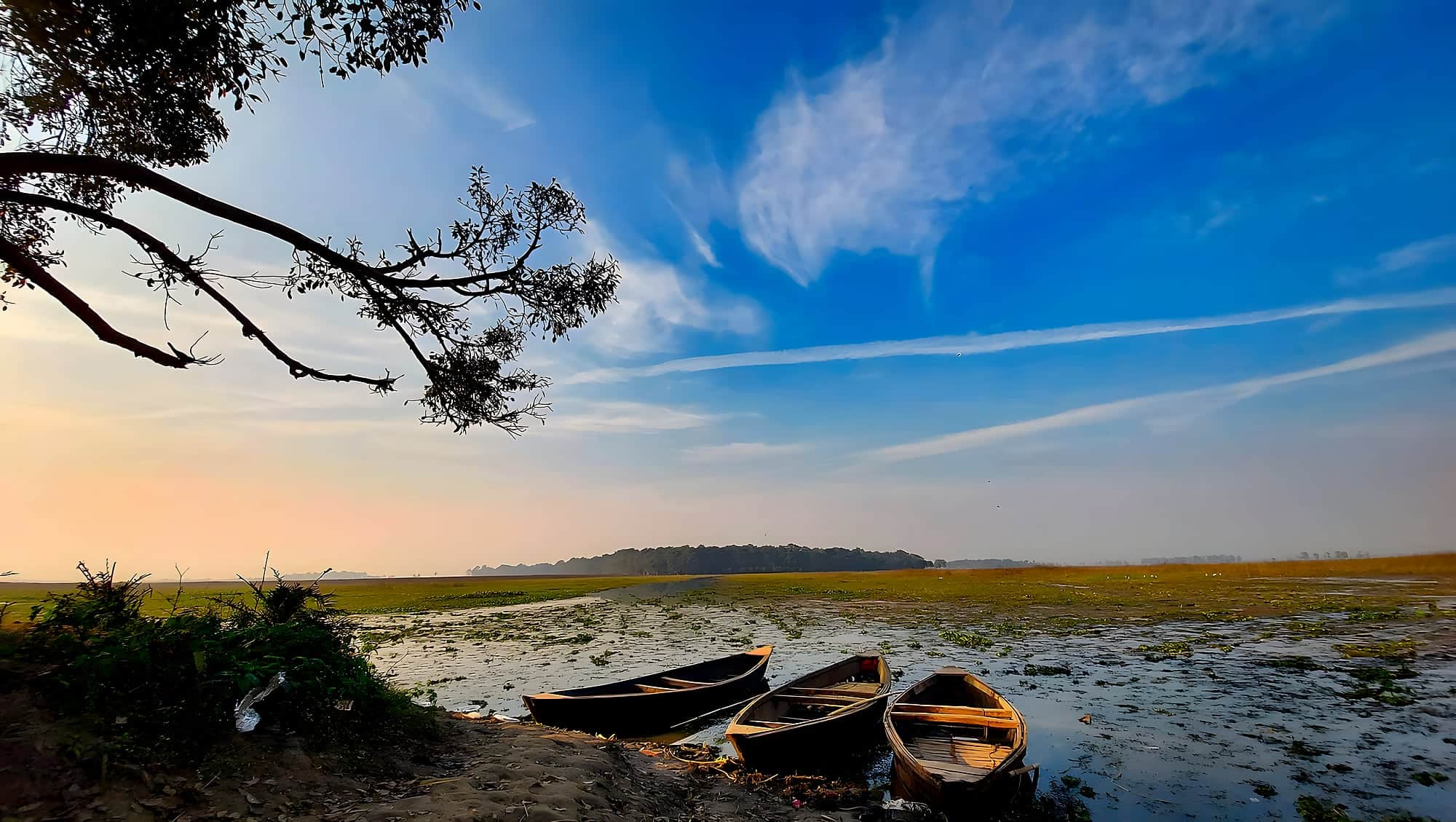
The Ganga, Gandak, Son and Kosi make Bihar a land of water. Follow them to India's only dolphin sanctuary, the largest wild gharial population outside the Chambal, Bihar's tiger forest, and three Ramsar wetlands that fill with Central Asian waterfowl each winter.

Open collection
Waterfalls in Bihar
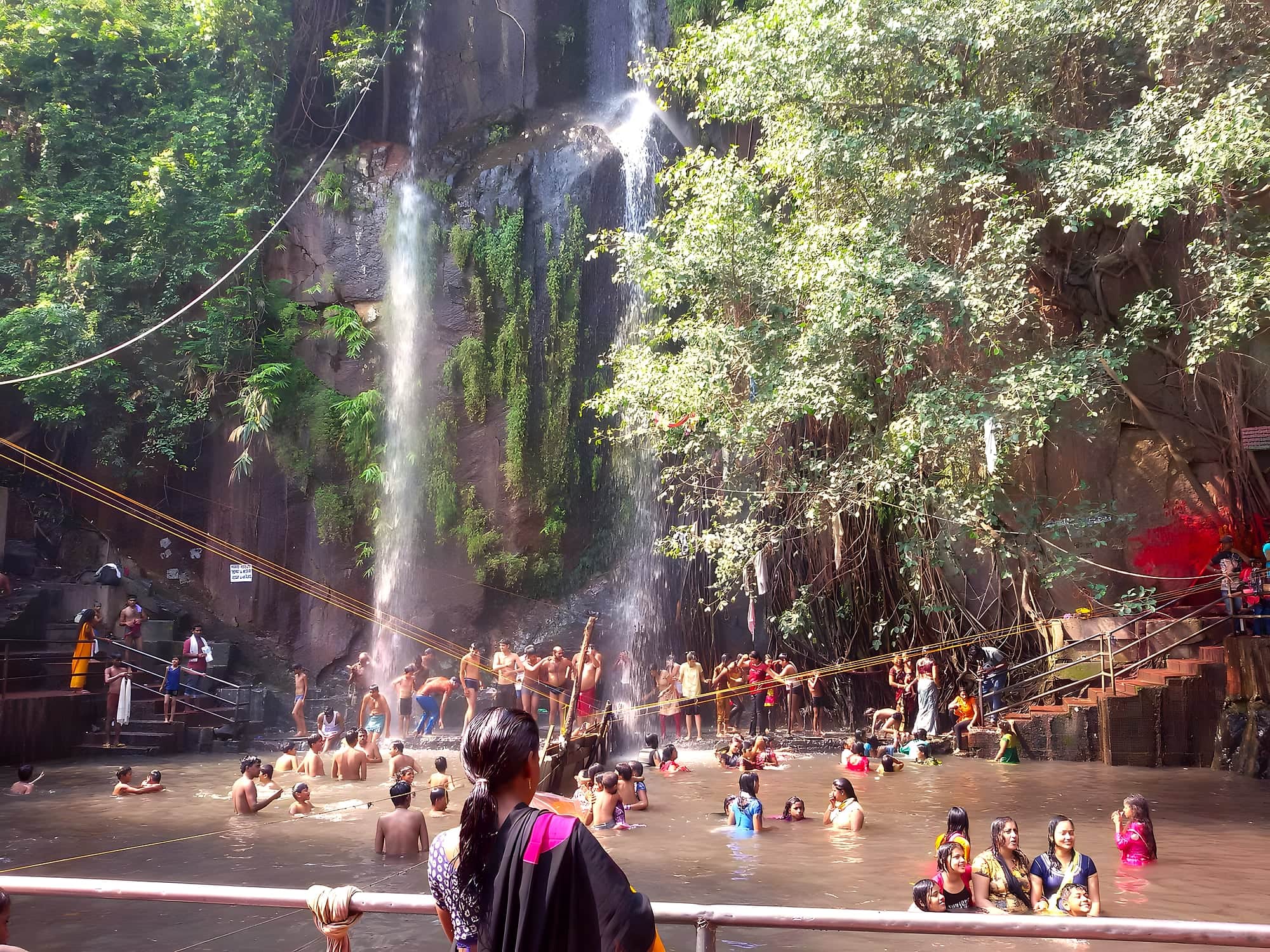
© Vivekobey · CC BY-SA 4.0

06 · 6 places · 2 routes

Waterfalls in Bihar

Kakolat, Dhua Kund, Manjhar Kund — the Kaimur monsoon

Yes, Bihar has waterfalls — and in the monsoon they are spectacular. They sit on the southern edge where the Chota Nagpur and Kaimur plateaus drop to the plains: Kakolat near Nawada with its natural pool, Dhua Kund's 'smoke' falls near Sasaram, Manjhar Kund where thousands picnic after Raksha Bandhan, and the ravines around Rohtasgarh. Best from July to October when the rivers run full; by February most shrink to streams.

Open collection
Temples of Bihar
© Somujha88 · CC BY-SA 3.0

07 · 10 places · 3 routes

Temples of Bihar

Vishnupad, Mundeshwari, Janaki Mandir and the sacred circuits

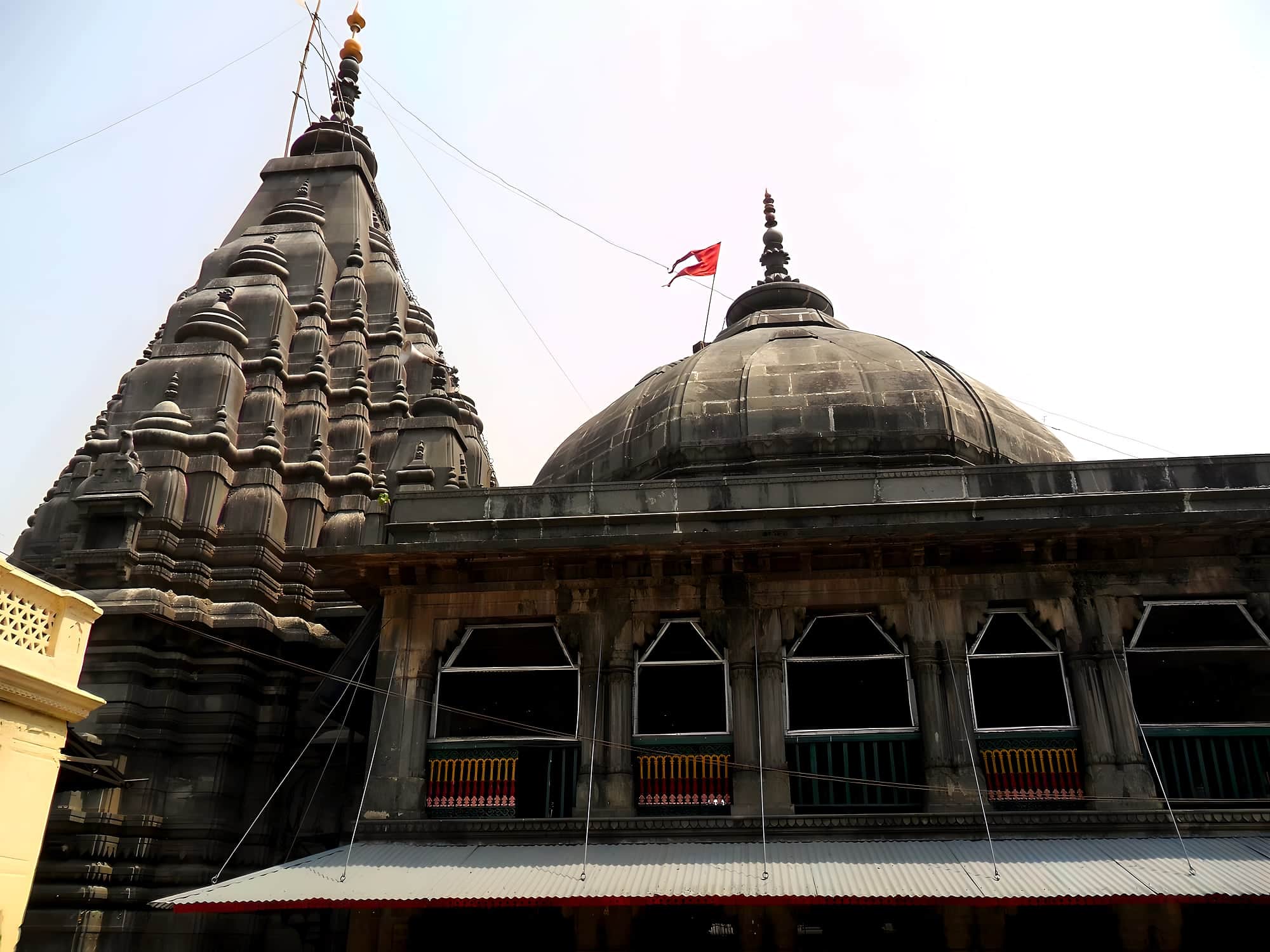
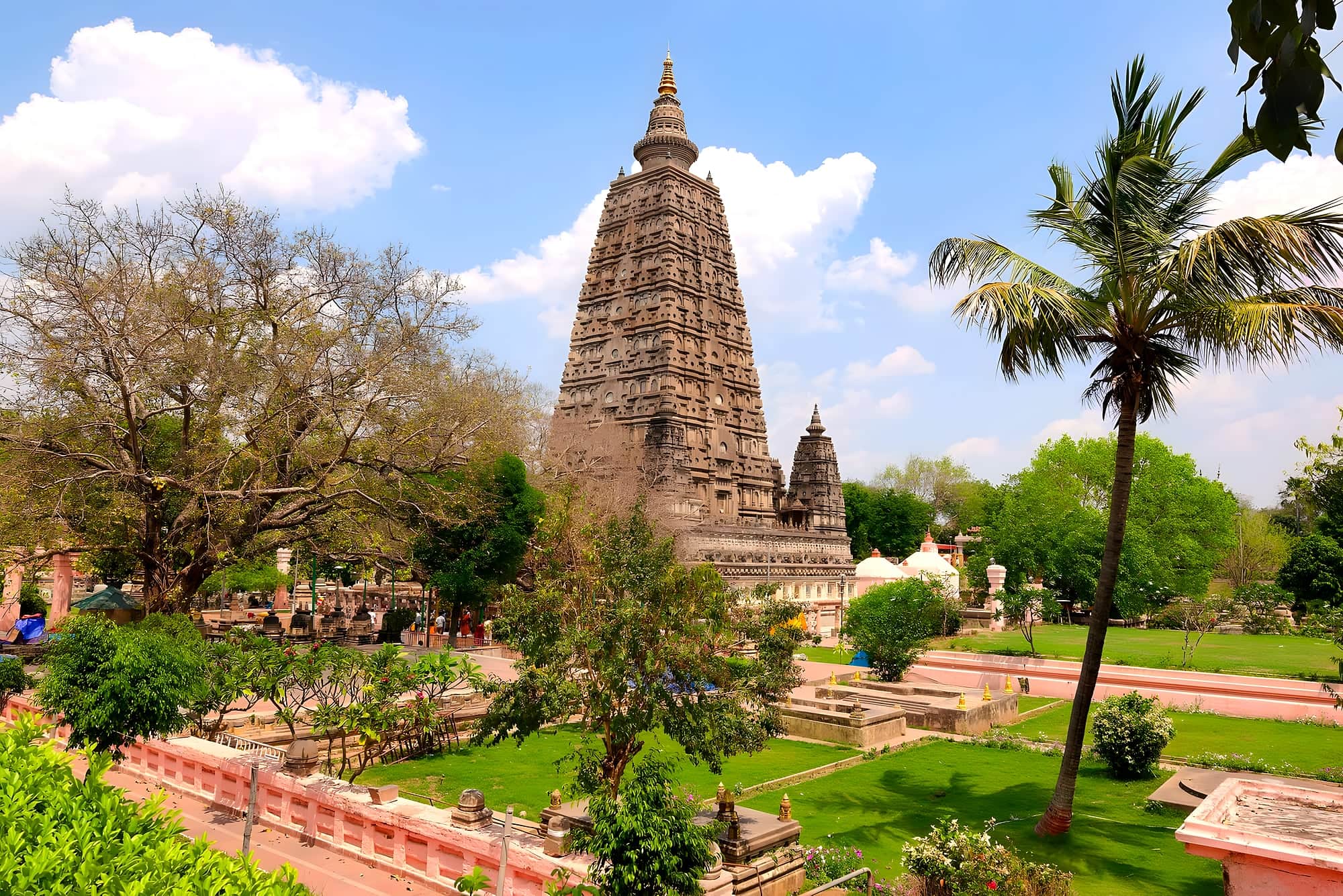
The famous temples of Bihar span three thousand years: Mundeshwari on its Kaimur hilltop is among the oldest functioning temples in India; Vishnupad at Gaya holds the footprint where Hindus perform Pind Daan for their ancestors; the Mahabodhi at Bodh Gaya is a World Heritage Site; Sitamarhi's Janaki Mandir marks Sita's birthplace; and Pawapuri's Jal Mandir floats on a lotus lake where Mahavira attained nirvana.

Open collection
Bihar in Winter
© Mausam Nandan · CC BY-SA 4.0

08 · 12 places · 3 routes

Bihar in Winter

October to March — the season everything is built for

Winter is when to visit Bihar. From Chhath in late October through Sonepur Mela in November, the Bodh Gaya teaching season in December and January, Makar Sankranti and the Rajgir Mahotsav, to the palash bloom of February–March, every month has a reason. Days are 20–25 °C, the skies are clear for Valmiki rafting and birding, and the Kaimur plateau is finally walkable. December and January are peak — book Bodh Gaya early.

Open collection
Buddhist Circuit
© Rohit Sharma · CC BY-SA 4.0

09 · 9 places · 3 routes

Buddhist Circuit

Enlightenment, first sermon's neighbours, last journey

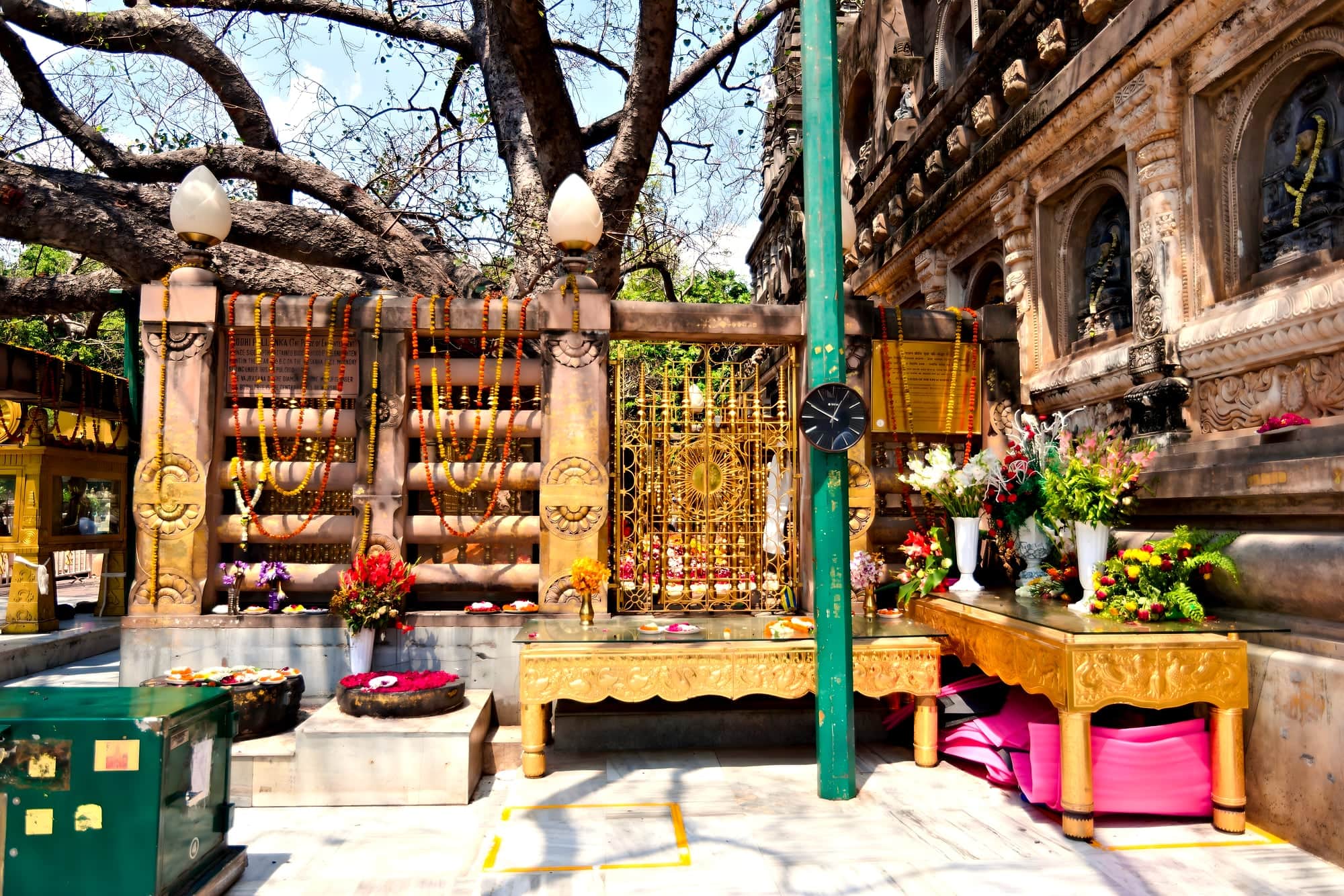
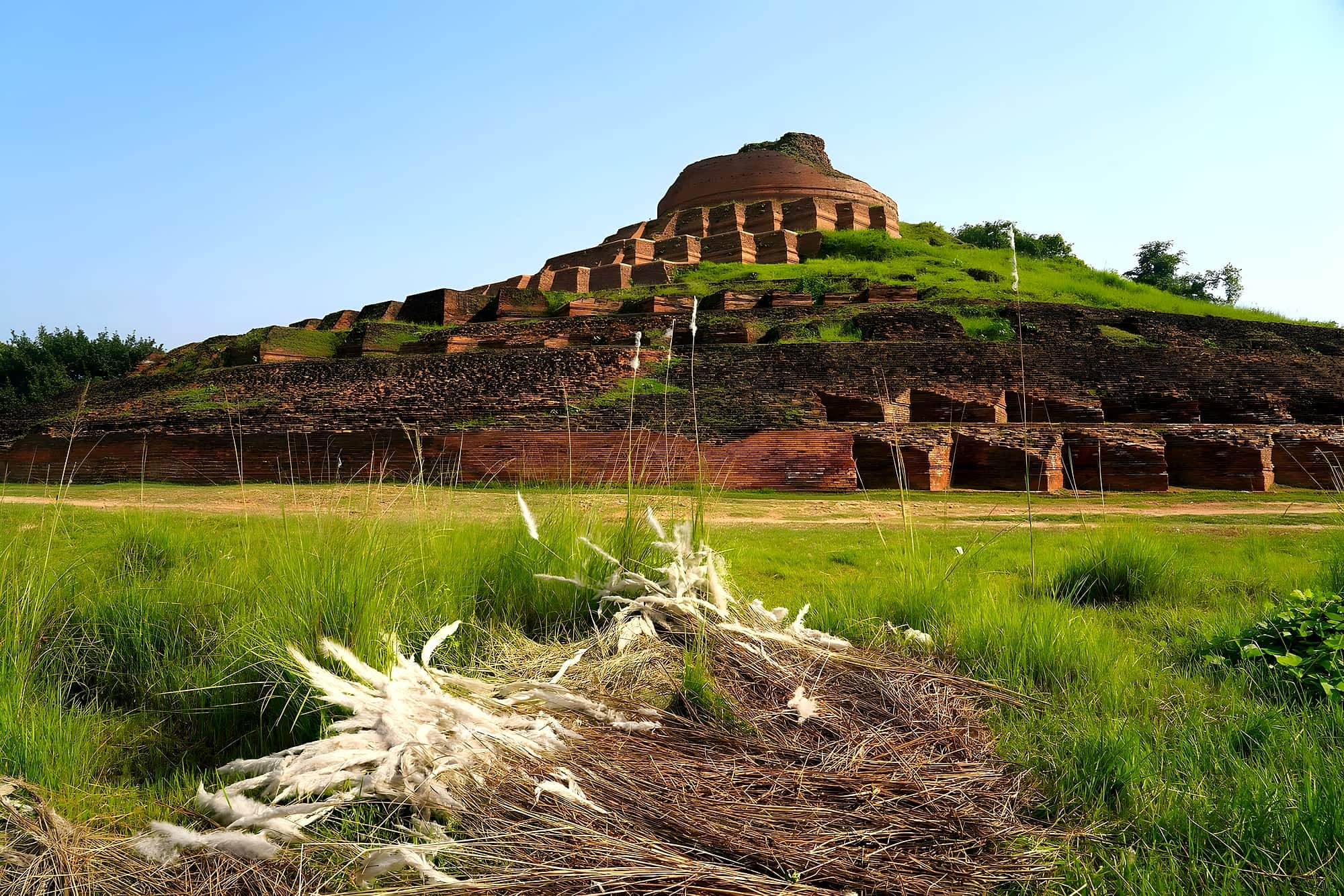
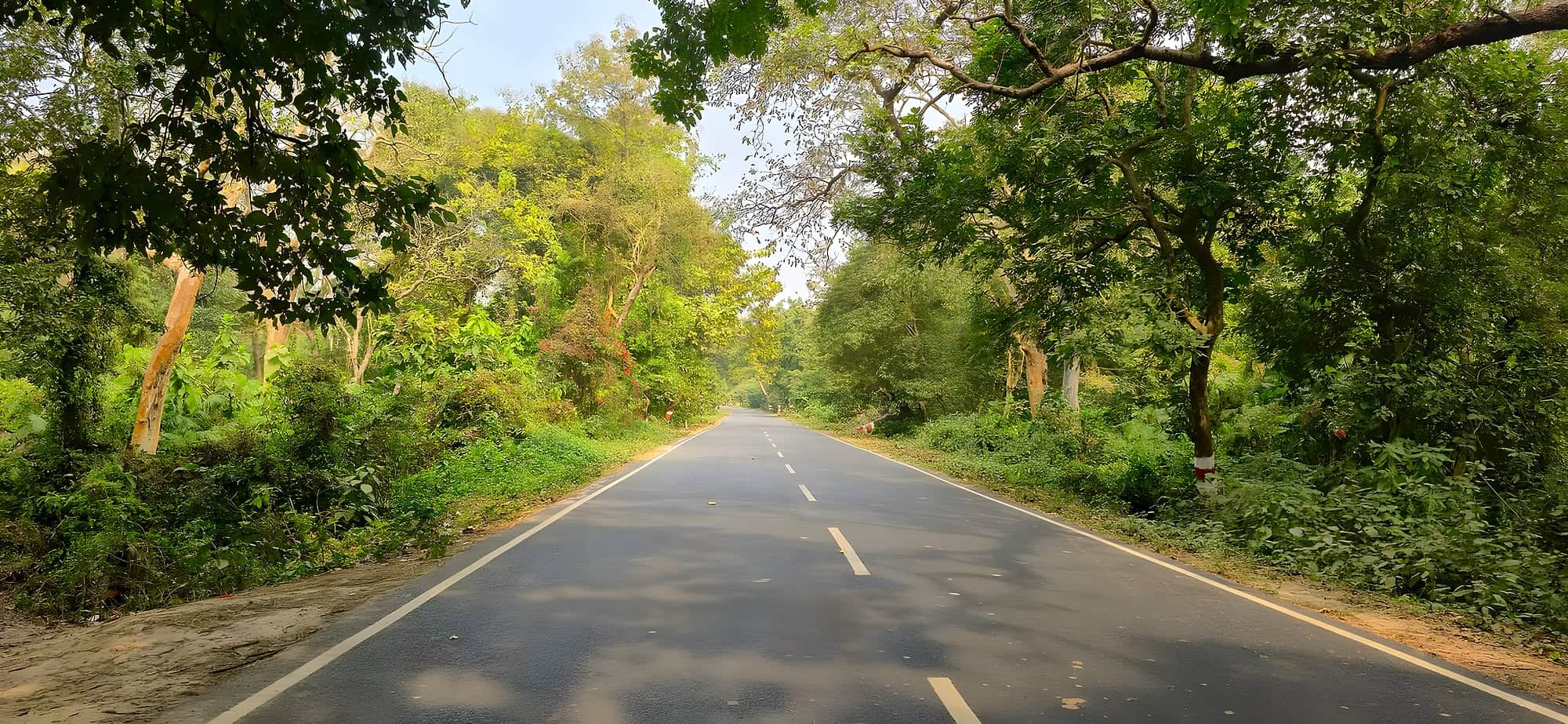
The Buddha was born in Lumbini and died at Kushinagar, but the forty-five years between were mostly spent in what is now Bihar: enlightenment at Bodh Gaya, the rains retreats at Rajgir, the Lotus Sutra on Vulture Peak, the last sermon and the announcement of his death at Vaishali, the first council at Rajgir and the universities of Nalanda and Vikramshila that carried the teaching to Tibet. This is the circuit the state's tourism board signposts and the one most foreign pilgrims follow; our pages add the sights the signboards leave out.

Open collection
Jain Circuit
© Sumitsurai · CC BY-SA 4.0

10 · 8 places · 2 routes

Jain Circuit

Mahavira's birth, enlightenment and nirvana

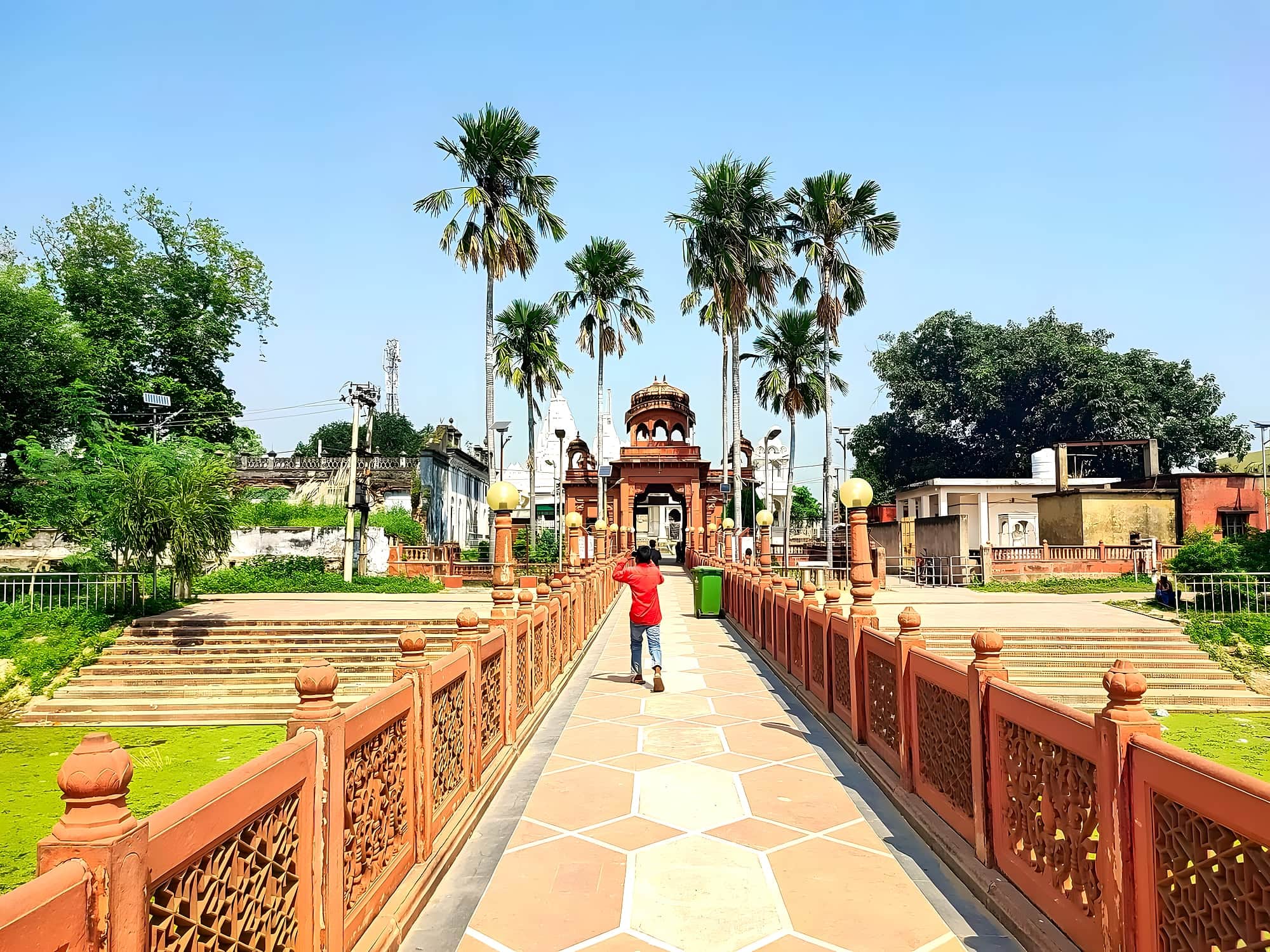
Mahavira, the 24th Tirthankara, was born at Kundalgram (Vaishali or Kundalpur near Nalanda, by rival traditions), attained kevala jnana on the Rijubaluka river near Jamui, preached his first sermon at Rajgir's Vipula hill and left the body at Pawapuri, where the Jal Mandir floats in its lotus tank. Rajgir's five hills each carry Jain temples, Gunawa in Nawada is where his chief disciple Gautam Swami gained nirvana, and the Chausa bronzes in Patna Museum are among the oldest Jain images anywhere.

Open collection
Sikh Circuit
© Cjsinghpup · CC BY-SA 4.0

11 · 5 places · 2 routes

Sikh Circuit

The Guru's birthplace and the roads he travelled

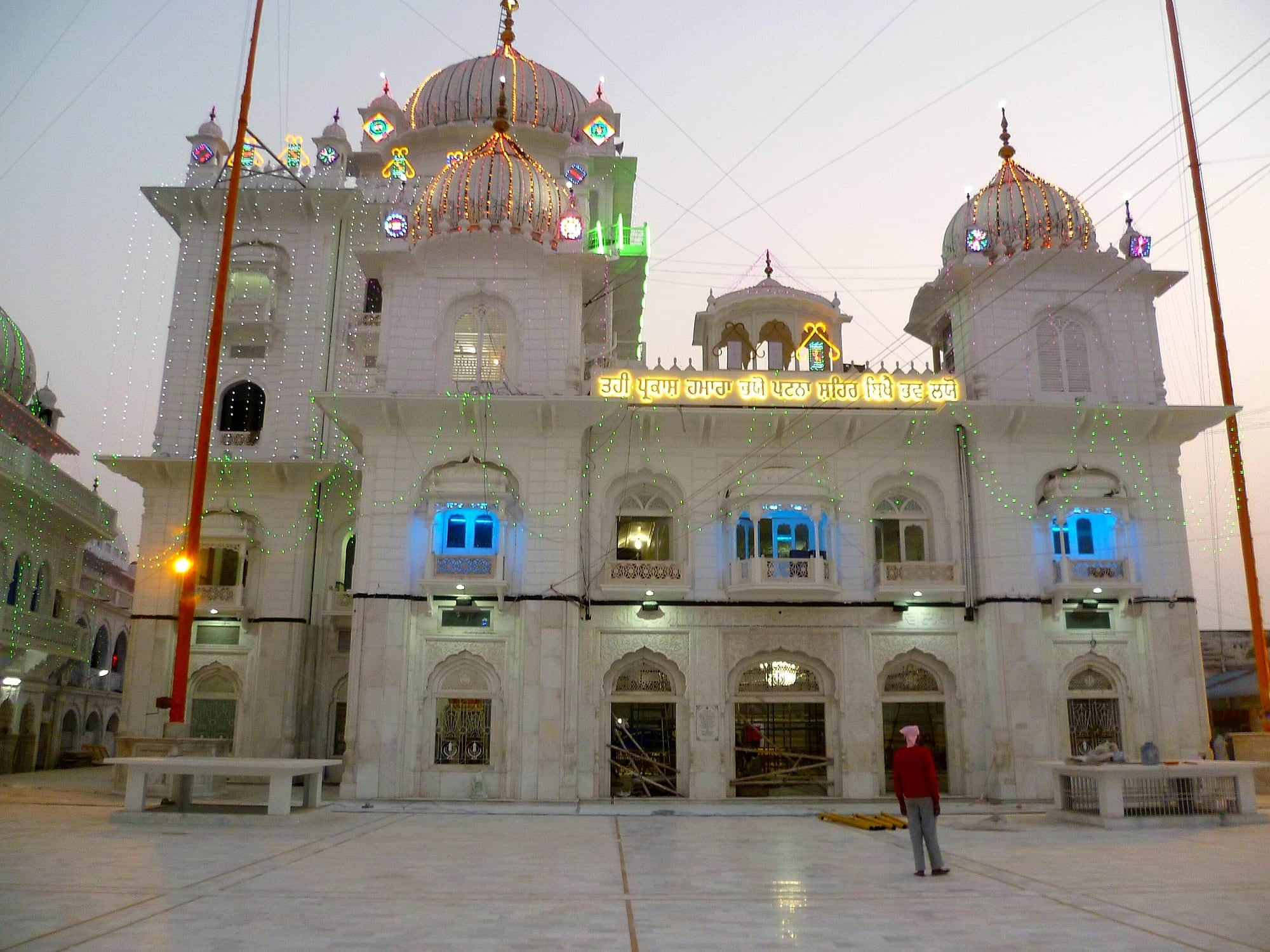
Guru Gobind Singh was born in Patna in 1666 and spent his first years here; Takht Sri Patna Sahib is one of the five seats of Sikh authority. The other gurdwaras of his childhood — Bal Leela, Gobind Ghat, Handi Sahib at Danapur where Guru Tegh Bahadur was served khichdi in a handi, Guru ka Bagh where father and son met — make a day in Patna, and Gaya, Rajgir and Munger each keep gurdwaras from the Gurus' eastern journeys. Prakash Parv in December–January is the time.

Open collection
Sufi Circuit
© Amitabha Gupta · CC BY 4.0

12 · 7 places · 2 routes

Sufi Circuit

The Firdausi and Chishti shrines of the east

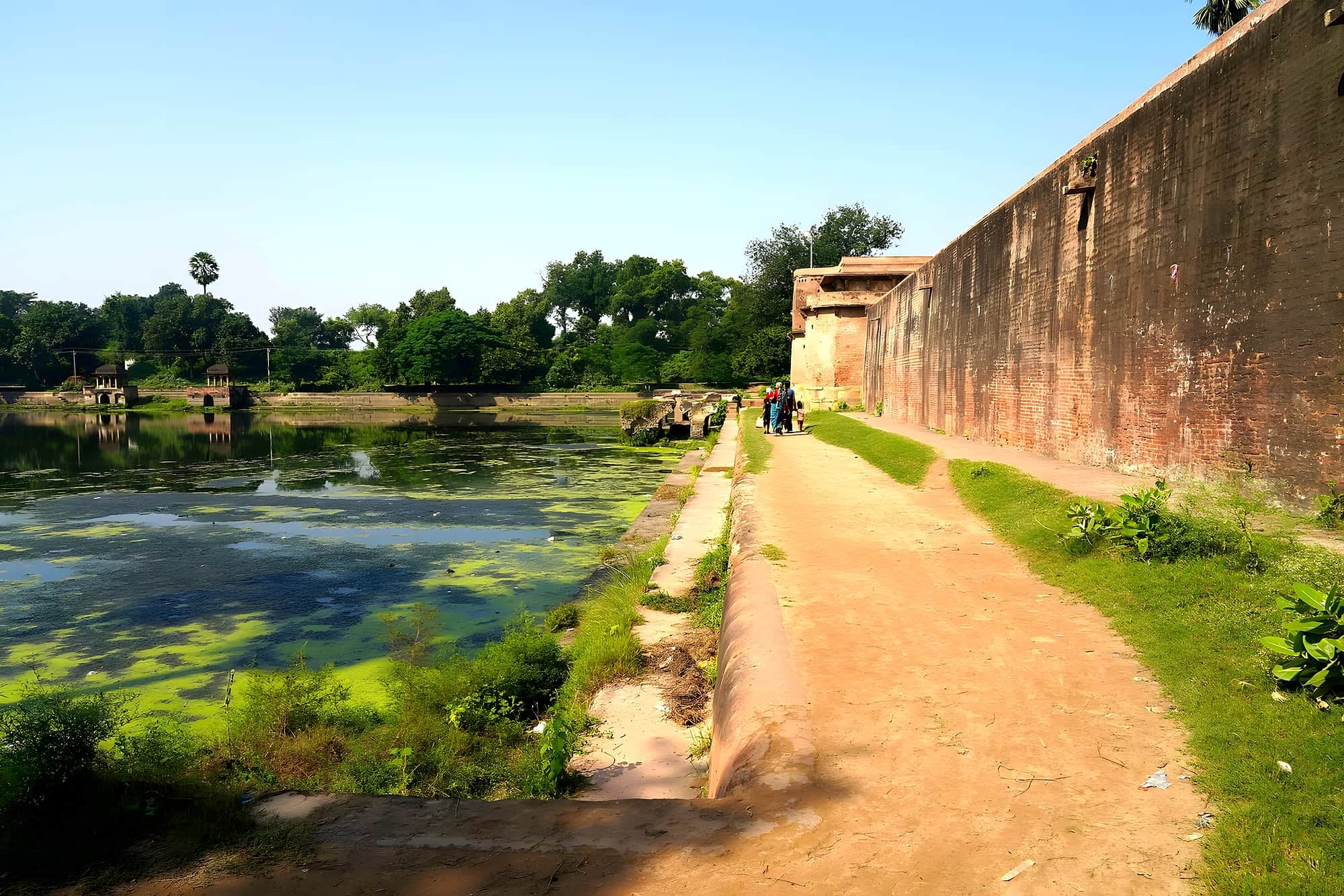
Bihar was the eastern frontier of Sufism's great orders. Makhdoom Sharfuddin Yahya Maneri, the 14th-century Firdausi master whose letters are still read, lies at Bari Dargah in Bihar Sharif; his ancestor Makhdoom Yahya Maneri at Maner's Bari Dargah, with the exquisite 1616 Chhoti Dargah of Shah Daulat beside it; Pir Shah Nafah inside Munger fort; Hazrat Bibi Kamal, a rare woman saint, at Kako near Jehanabad; and the Phulwari Sharif khanqahs on Patna's edge. Thursday evenings bring qawwali; the Urs calendars bring the crowds.

Open collection
Ramayan Circuit
© Nirmal Dulal · CC BY-SA 4.0

13 · 8 places · 3 routes

Ramayan Circuit

Sita's land — from her birth to Rama's bow

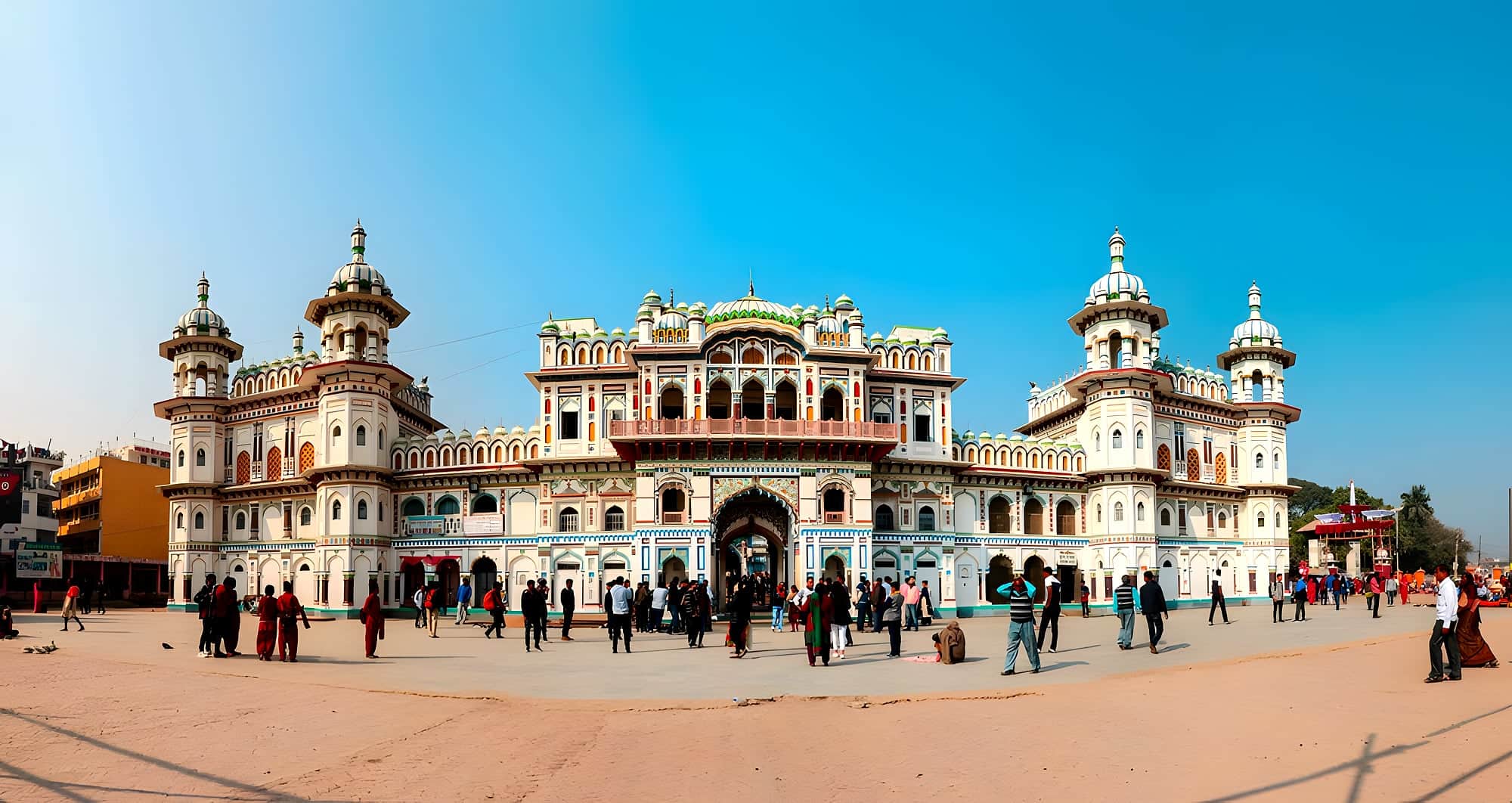
Mithila is Sita's country and Bihar's south bank is Rama's road to it. Sita was born of the furrow at Punaura Dham in Sitamarhi; Janakpur's Janaki Mandir is across the Nepal border an hour away; Rama and Lakshmana passed through Buxar, where Rama slew Tadka at Vishwamitra's ashram, and Ahilya was freed at Ahilya Sthan near Darbhanga. Gaya is where Rama offered pind to Dasharatha; Sita Kund at Munger holds her agni pariksha; Valmiki's ashram where Luv and Kush grew up is claimed at Valmikinagar. The state's Ramayan Circuit joins them; a car and a week does it.

Open collection
Gandhi Circuit
© Amitabha Gupta · CC BY 4.0

14 · 6 places · 2 routes

Gandhi Circuit

Champaran 1917 — where satyagraha was first tried

Gandhi's first Indian campaign was in Champaran, among indigo tenants forced to plant for European planters. He arrived at Motihari in April 1917, was ordered to leave, refused, and the government backed down — the first satyagraha in India. The Gandhi Sangrahalaya and the pillar at Motihari, the Bhitiharwa ashram school he founded in West Champaran, the Patna Sadaqat Ashram where Rajendra Prasad lived, Gandhi Ghat where his ashes were immersed, and the small museum on Gandhi Maidan make the circuit.

Open collection
Eco Circuit
© Saddam19 · CC BY-SA 4.0

15 · 12 places · 3 routes

Eco Circuit

Forest, falls, wetlands and the river

The state's eco circuit strings together the tiger reserve on the Nepal border, the Kaimur plateau's waterfalls and wildlife sanctuary, the hot-spring forests of Bhimbandh and Rajgir, three Ramsar wetlands — Kanwar, Nagi, Nakti — and the dolphin sanctuary on the Ganga. Infrastructure is thin and the rewards are real: you will often be the only visitor in a forest the size of a district.

Open collection

None of these fit?

Build your own from 26 places

Pick places, see the road distance and a rough day count, then hand it to a driver.

Open the trip builder