Highlights
- Nagi Dam at dawn — The main watchtower faces east over the reservoir; geese lift off in waves at first light..
- Nakti Dam — 8 km away, quieter, with better views of the surrounding tors; good for raptors..
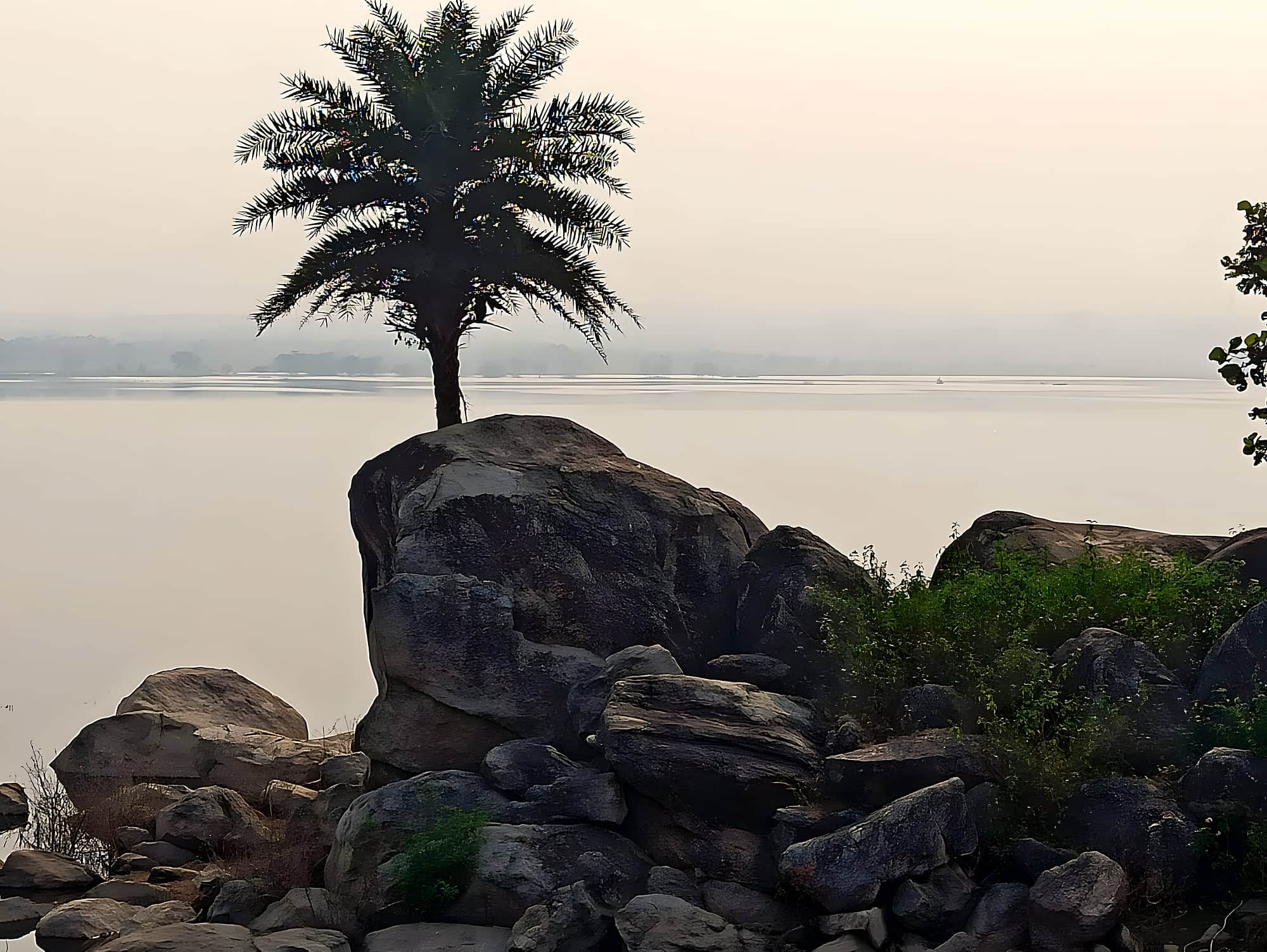
- The granite tors — Stacked boulder hills around both lakes — easy scrambles with long views..
- Nagi Bird Festival — Annual, usually mid-January: guided walks, boat counts, talks..
South of Jamui the alluvium gives out and the land becomes something else: low granite hills, boulders stacked like dropped marbles, thorny scrub, red earth. It feels like Karnataka or the Aravallis, not Bihar. In the 1950s two irrigation dams were built here on the Nagi and Nakti rivers, and the water that backed up behind them became, by accident, a winter home for waterfowl.
The counts are startling for such small lakes. Nagi, 2 square kilometres, has recorded over 1,600 bar-headed geese in a single morning — birds that have crossed the Himalaya from Tibet at eight thousand metres. Ruddy shelduck, red-crested pochard, gadwall, northern pintail, Indian spot-billed duck, common coot in rafts of thousands; sarus and demoiselle cranes on the margins; grey-headed fish eagle, osprey and the occasional great white pelican. Both sites were listed as Ramsar wetlands of international importance in 2024.
The Forest Department runs a small interpretation centre and watchtowers at Nagi; the January bird festival brings ornithologists from across India. Between the two dams the hills are good walking country — granite tors you can scramble, a Jain pilgrimage site at Lachhuar nearby, and Simultala's old hill station an hour away. Go for the birds, stay for the geology.
Chapter 01
How it came to be
The two dams were built in the 1950s for irrigation on small rivers draining the granite hills of Jamui — the northernmost spur of the Chota Nagpur plateau. Within a few winters the reservoirs had become a stopover for waterfowl crossing the Himalaya, and in 1984 Bihar notified both as bird sanctuaries. Birders knew them; almost no one else did.
A sustained count effort by the Bihar forest department and the Bombay Natural History Society from 2020 produced numbers that qualified both sites for the Ramsar list, which they joined in June 2024 — bringing Bihar's Ramsar wetlands to three.
Chapter 02
What it's like now
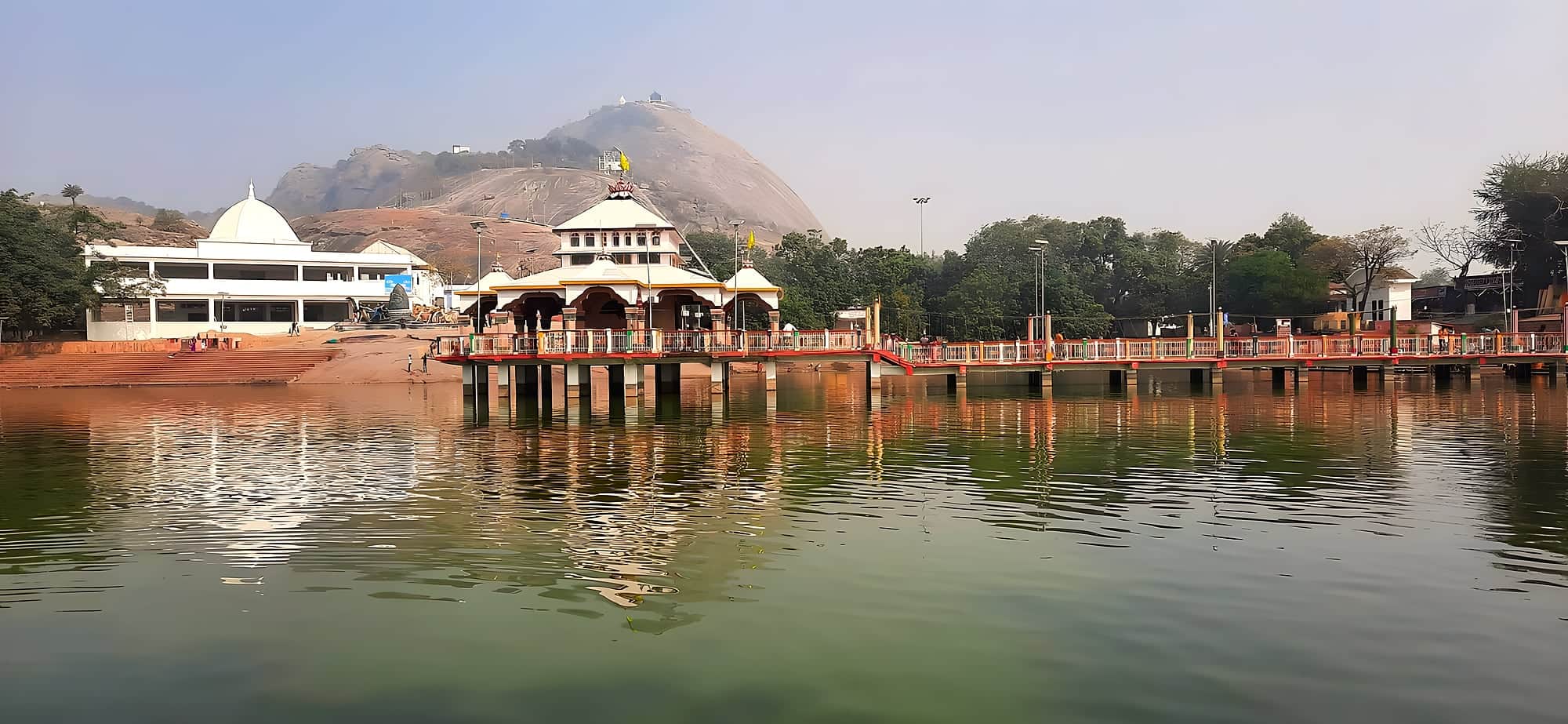
Dawn at the Nagi watchtower: mist on the water, and then the geese — long skeins of bar-headed geese lifting and settling, their two-tone honking carrying across the lake. Among them pochards, pintails, coots in rafts, grebes, and on the edge the tall grey shapes of sarus cranes. A scope helps; the birds keep to the middle. Nakti, a few kilometres on, is quieter, with raptors over the tors.
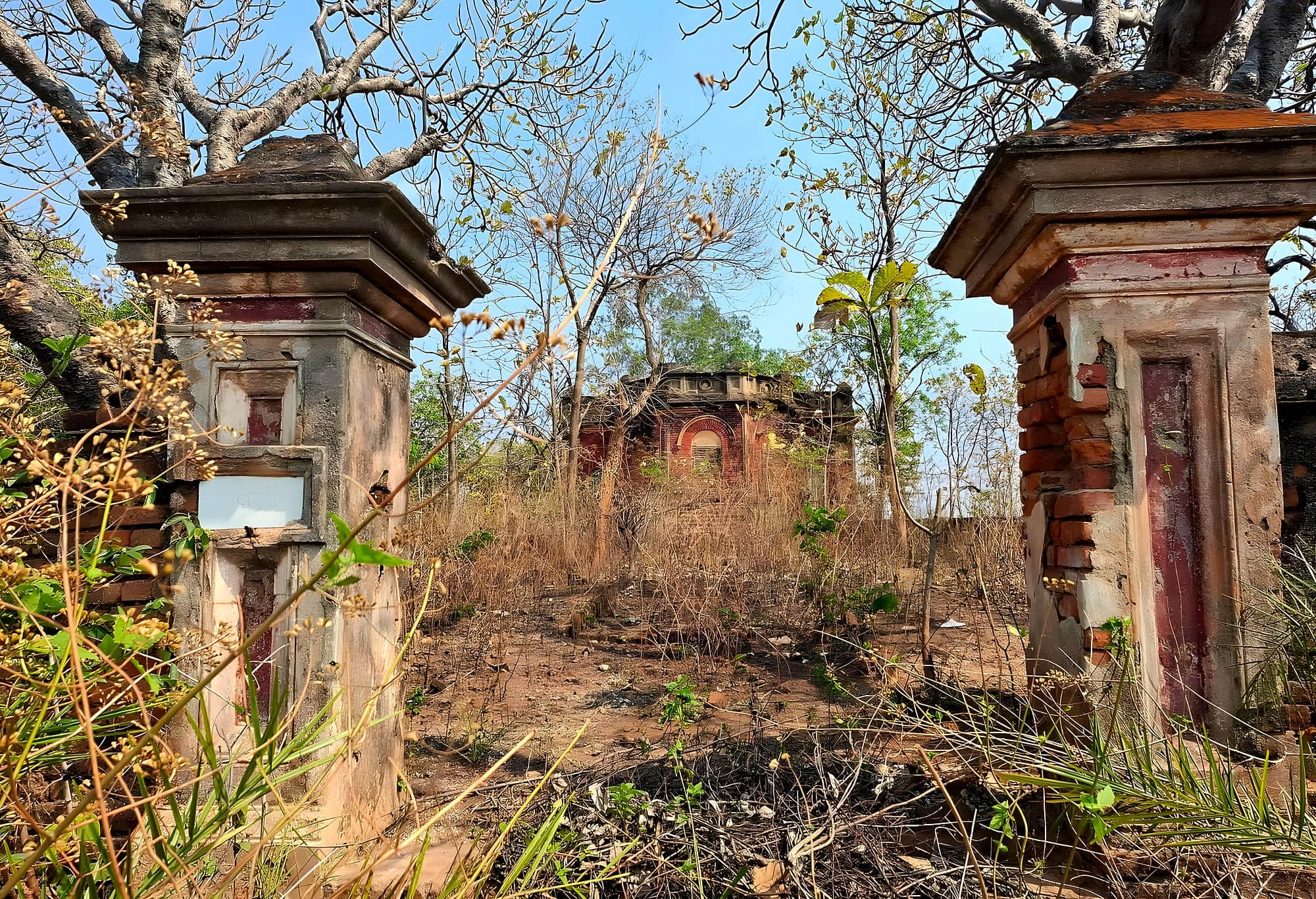
The country around is the surprise — granite boulders stacked in impossible piles, scrub, red earth, a Deccan landscape in Bihar. Walk between the lakes, scramble a tor for the view, and leave before dark. The January festival brings guided walks and boat counts.
Chapter 03
What to see
- 01
Nagi Dam at dawn
The main watchtower faces east over the reservoir; geese lift off in waves at first light.
- 02
Nakti Dam
8 km away, quieter, with better views of the surrounding tors; good for raptors.
- 03
The granite tors
Stacked boulder hills around both lakes — easy scrambles with long views.
- 04
Nagi Bird Festival
Annual, usually mid-January: guided walks, boat counts, talks.
- 05
Lachhuar
Birthplace shrine of Mahavira according to one tradition; a 2,600-year-old Jain temple, 30 km.
Chapter 04
A perfect day
6:00
Nagi Dam watchtower for the dawn flight; two hours with binoculars.
8:30
Walk the shore and the tors; tea at the gate.
10:00
Nakti Dam — raptors and the quieter water.
12:30
Lunch in Jamui or a packed picnic.
14:30
Lachhuar Jain temple (30 km), or drive to Simultala for the night.
Chapter 05
Things to do
Birdwatching
Bring optics; the forest guard will point out the current hotspots.
Tor scrambling
Easy boulder climbs around both lakes; no routes, use judgement.
Nagi Bird Festival
Mid-January; boat counts, walks, talks by BNHS and the forest department.
Chapter 06
Stay, eat, celebrate
Where to stay
Jamui's basic hotels; Simultala's old guesthouses (50 km) are the pleasant option.
Where to eat
Jamui town; nothing at the dams beyond a tea stall in season.
Festivals & seasons
Nagi Bird Festival (January); Mahavir Jayanti at Lachhuar.
Practical
Getting there
Fly
Patna Airport (PAT) 190 km; Deoghar (DGH) 90 km.
Train
Jamui station 20 km, on the Delhi–Howrah main line via Kiul — trains from Patna, Kolkata, Delhi stop here.
Road
20 km south of Jamui town via Jhajha road. Hire a car in Jamui; the last stretch is a narrow forest road.
On the map · Nagi & Nakti Bird Sanctuaries is at 24.7652°N, 86.2083°E in Jamui district, about 186 km (4½ h) by road from Patna.
Before you go · Best time to visit · Safety, dress code & money · What to eat nearby
Practical
Distances from Nagi & Nakti Bird Sanctuaries
Road distance and realistic driving time on Bihar roads — plan around these, not the straight line on a map.
From the gateway cities
To nearby places
Estimates: road ≈ 1.3 × straight-line, ~40 km/h average. All Bihar distances →