Highlights
- Vishnupad temple — The footprint; non-Hindus may not enter the sanctum but can see the complex..
- Phalgu ghats — Pind-daan rites at dawn; the river is dry sand most of the year, flowing underneath..
- Akshayavat — The immortal banyan where rites conclude..
- Pretshila & Ramshila hills — Temples on hilltops with views over the city..
Ten kilometres from the Buddhist calm of Bodh Gaya, Gaya is Hinduism's city of the dead — not morbid but intensely alive. Pilgrims come to perform pind-daan, the offering of rice balls to ancestors, which done at Gaya is believed to free the departed from the cycle of rebirth. Rama is said to have performed it here for Dasharatha.
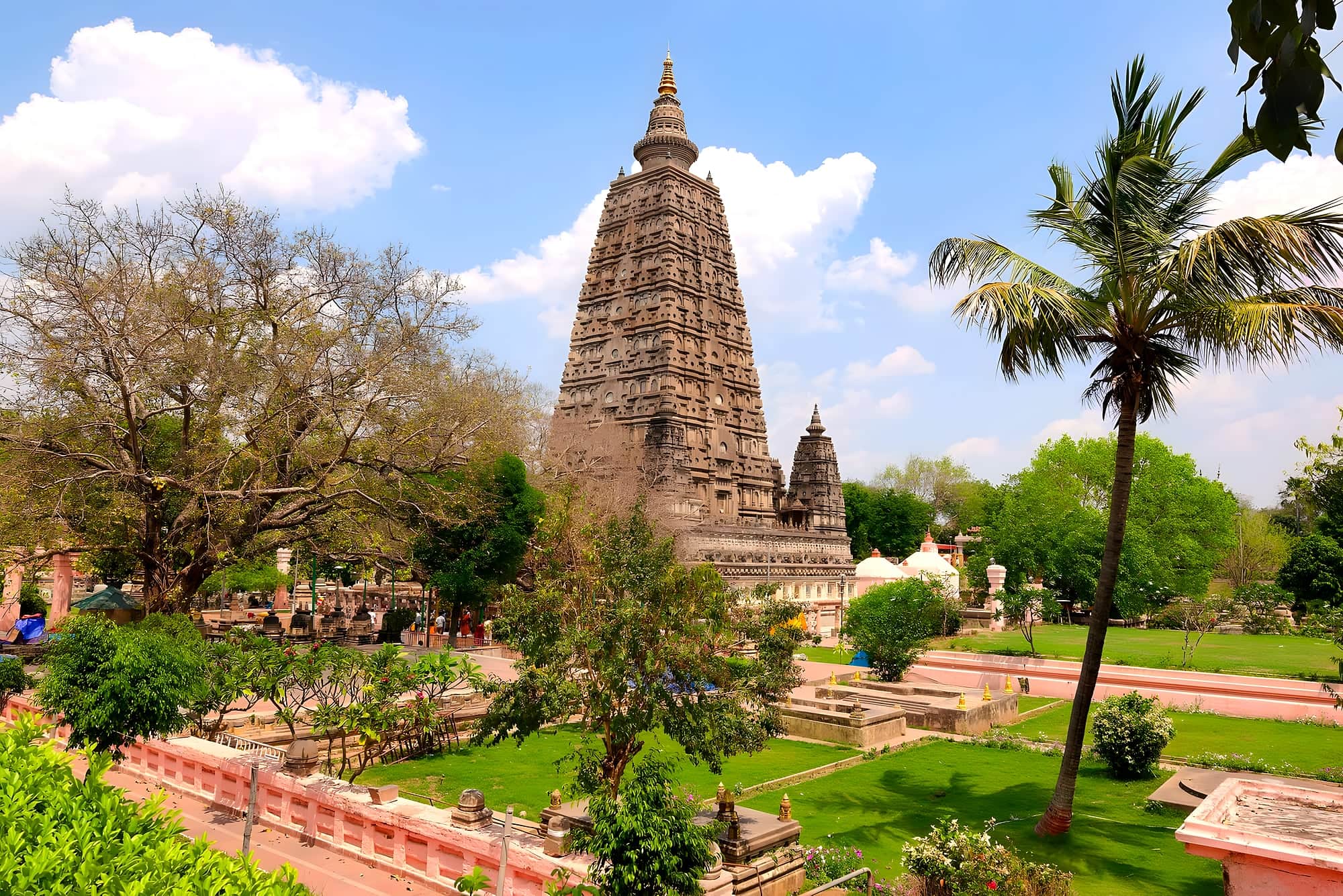
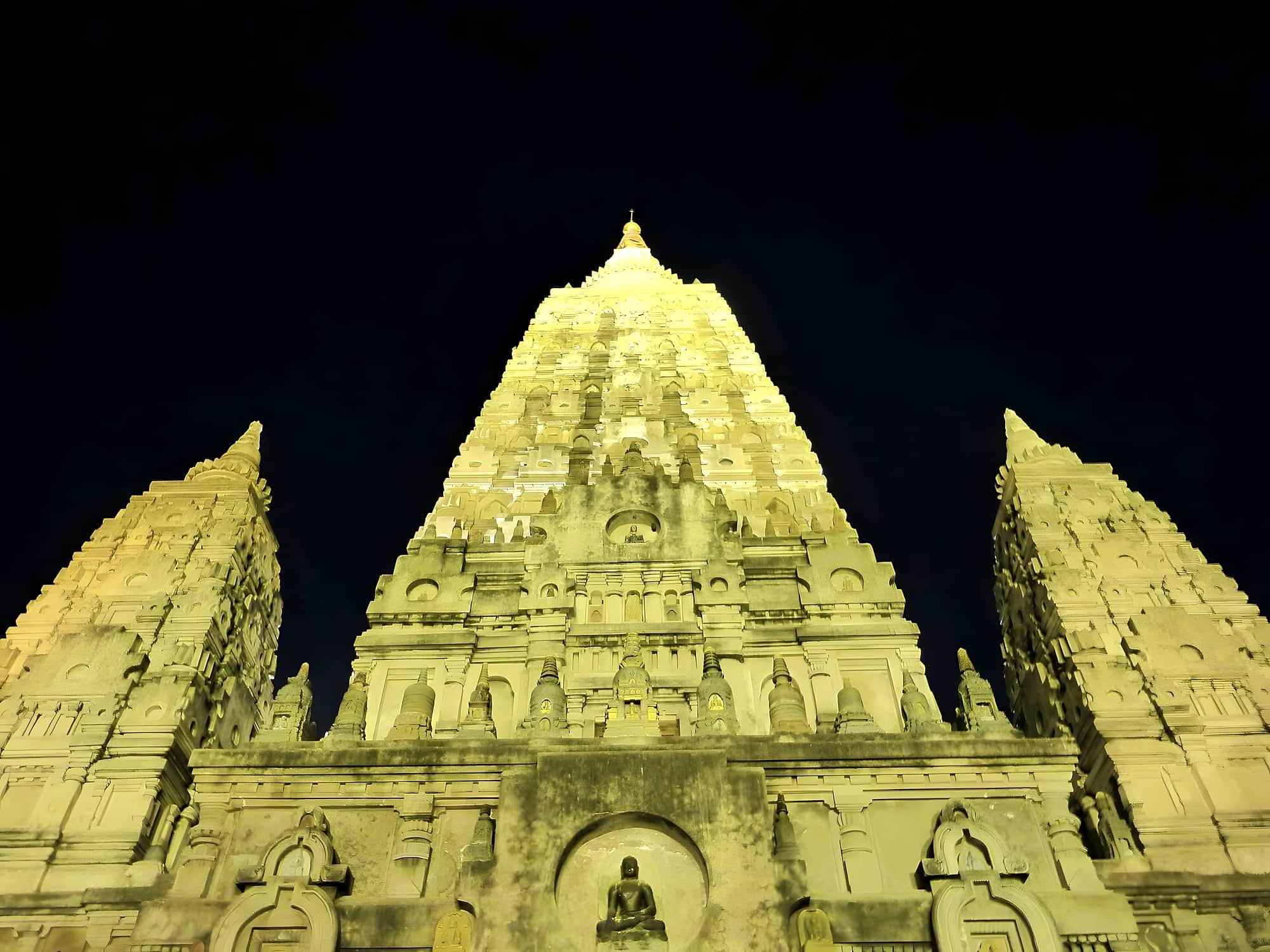
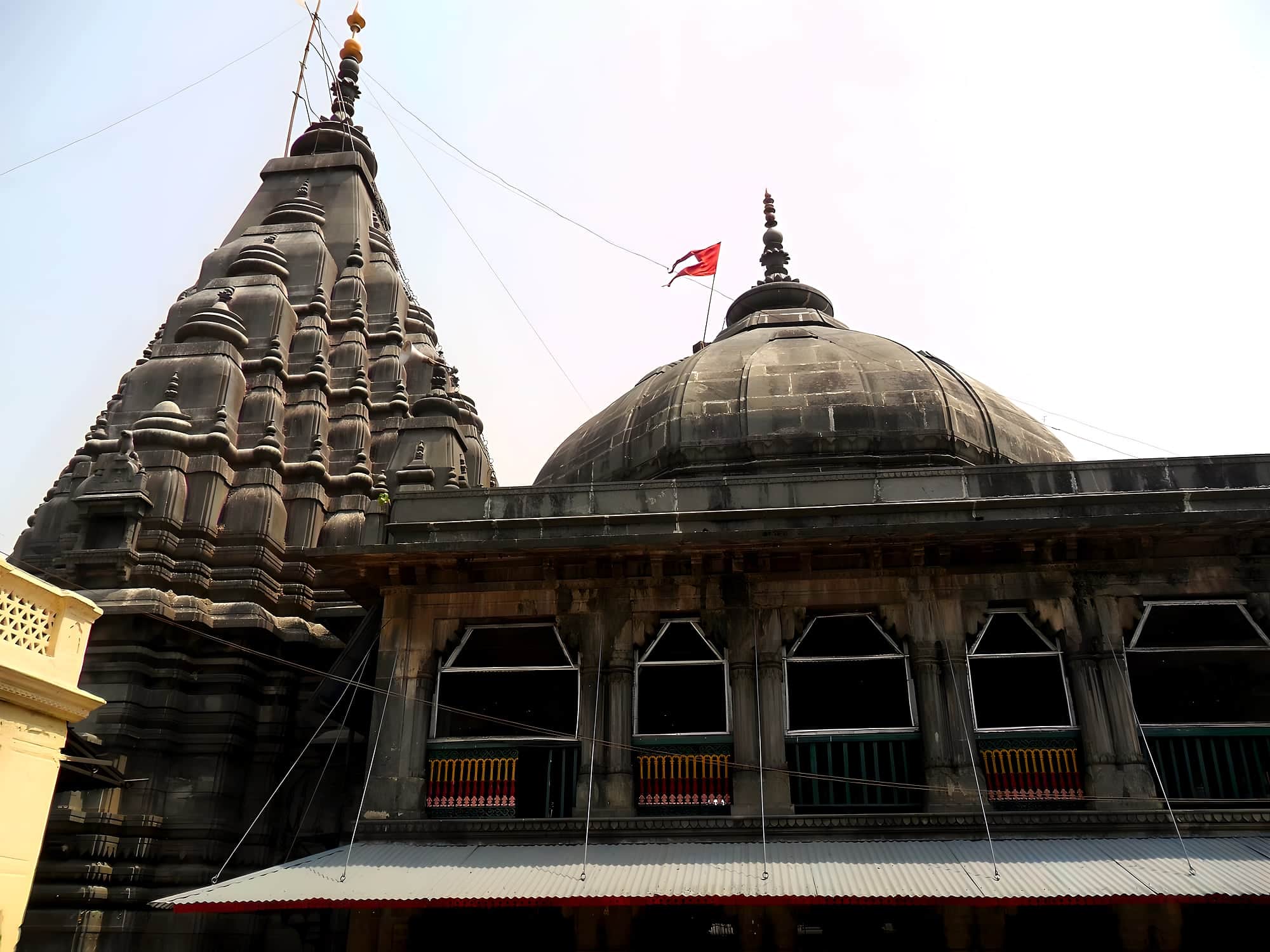
The Vishnupad temple on the Phalgu river bank, rebuilt in 1787 by Ahilyabai Holkar of Indore, encloses a 40-cm footprint of Vishnu pressed into basalt — the dharmasila — inside a 30-metre octagonal shikhara of grey granite. Around it the ghats and the 45 vedis (sacred sites) spread through the old city and up to the Akshayavat, the undying banyan, and the Pretshila hill.
Pitru Paksha — the fortnight of the ancestors in September/October — brings a vast, orderly fair, with the state running camps for pilgrims. For the rest of the year Gaya is a bustling market town with a large railway junction, excellent tilkut (sesame sweets) and the airport for Bodh Gaya.
Chapter 01
How it came to be
Gaya is one of the oldest holy cities of India — named in the Mahabharata and the Puranas, where the demon Gayasura was pressed under Vishnu's foot and granted that anyone who performed rites for their ancestors here would free them. The footprint in the Vishnupad temple is that foot, set in a silver basin. The present temple is the work of Ahilyabai Holkar, the Maratha queen of Indore who rebuilt half the temples of north India in the 18th century.
The Buddha came here too: he gave the Fire Sermon on Brahmayoni hill (Gayasisa) to a thousand fire-worshipping ascetics, and Bodh Gaya is only 13 km away. Gaya grew as the town that served both, and as a stop on the Grand Chord railway.
Chapter 02
What it's like now
Gaya is a pilgrim town in the old sense — crowded, commercial, intensely religious. Along the Phalgu's wide sandy bed the ghats are lined with Gayawal pandas, hereditary priests who have served the same families for generations, and at any hour someone is offering pinda — rice balls — for their dead. The Vishnupad's tiered grey-granite tower rises behind. Non-Hindus may not enter the sanctum, but the courtyards and the ghats are open.
Climb Brahmayoni hill (440 steps) at dawn for the view over the city and the Phalgu; visit Mangla Gauri on its hill, one of the Shakti Peethas; and Pretshila and Ramshila for the full round of the ancestral circuit.
Chapter 03
What to see
- 01
Vishnupad temple
The footprint; non-Hindus may not enter the sanctum but can see the complex.
- 02
Phalgu ghats
Pind-daan rites at dawn; the river is dry sand most of the year, flowing underneath.
- 03
Akshayavat
The immortal banyan where rites conclude.
- 04
Pretshila & Ramshila hills
Temples on hilltops with views over the city.
- 05
Mangla Gauri
One of the 51 Shakti Peethas, on a hill near Vishnupad.
Chapter 04
6 temples & sights, one by one
- 01
Hindu · rebuilt 1787
Vishnupad Temple
A 30 m octagonal grey-granite tower built by Ahilyabai Holkar over a 40 cm footprint of Vishnu pressed into basalt. The real pull is pind-daan — the rites for ancestors performed on the ghats and courtyards around it, at their height during Pitru Paksha in September–October when a million pilgrims come.
- Where
- Phalgu riverbank, old city
- Hours
- Dawn to 10 pm; non-Hindus may not enter the sanctum
© Somujha88 · CC BY-SA 3.0 - 02
Ancestral rites
Phalgu river ghats
The Phalgu runs underground for most of the year — dig a hand's depth into the sand and water rises, which is where the rites are done. Dawn is extraordinary: priests, pilgrims, cows and the hum of Sanskrit over the dry riverbed.
- Where
- Below Vishnupad
- 03
Shakti Peetha
Mangla Gauri
One of the 51 Shakti Peethas, where the goddess's breast is said to have fallen; a small hilltop temple reached by stairs with a view across Gaya's rooftops to the Phalgu. Tuesday crowds; other days quiet.
- Where
- Bhasmakut hill, 1 km
- 04
Immortal banyan
Akshayavat
The 'undying banyan' where the last rite of the Gaya pilgrimage is performed — pilgrims circle it and tie threads. Said to be the tree under which Sita cursed the Phalgu river to run underground.
- Where
- Beside Vishnupad
- 05
Hill of ghosts
Pretshila Hill
Four hundred steps up a bare rock hill to a temple where rites free restless spirits; the Brahma Kund at its base is where pilgrims bathe first. Austere, windswept, great view back over the city.
- Where
- 8 km north-west
- 06
Chhath
Surya Kund & Sun temple
A stepped tank with a 13th-century Sun temple whose idol is a Pala-era Surya in boots — Gaya's own Chhath Puja epicentre each November.
- Where
- Old city
Chapter 05
A perfect day
5:30
Brahmayoni hill — 440 steps for sunrise over the Phalgu.
7:30
Vishnupad temple and the ghats; watch the pind-daan rites from the river.
10:00
Mangla Gauri temple; Akshayavat, the undying banyan.
12:30
Lunch — Gaya's tilkut and anarsa to follow.
14:30
Pretshila and Ramshila hills, or Bodh Gaya (13 km) for the evening.
Chapter 06
Stay, eat, celebrate
Where to stay
Hotels near the station for convenience; most travellers stay in Bodh Gaya and visit Gaya for a morning.
Where to eat
Tilkut (sesame-jaggery) is Gaya's gift to the world — from Ramna Road shops; kachori-sabzi breakfasts; thalis at Tekari Road.
Festivals & seasons
Pitripaksha Mela (September–October) — the great fortnight of ancestor rites; a tremendous spectacle but hotels are impossible.
Practical
Getting there
Fly
Gaya Airport (GAY) 8 km.
Train
Gaya Junction, on the Delhi–Howrah main line.
Road
100 km from Patna via NH-22; 12 km from Bodh Gaya.
On the map · Gaya is at 24.7955°N, 85.0002°E in Gaya district, about 119 km (2½ h) by road from Patna.
Before you go · Best time to visit · Safety, dress code & money · What to eat nearby
Practical
Distances from Gaya
Road distance and realistic driving time on Bihar roads — plan around these, not the straight line on a map.
From the gateway cities
| Patna → Gaya | 119 km | 2½ h |
| Muzaffarpur → Gaya | 197 km | 4½ h |
| Darbhanga → Gaya | 228 km | 5½ h |
| Bhagalpur → Gaya | 268 km | 6½ h |
To nearby places
| Gaya → Bodh Gaya | 14 km | 15 min |
| Gaya → Barabar Caves | 32 km | 0½ h |
| Gaya → Rajgir | 65 km | 1½ h |
| Gaya → Rajgir Nature Safari & Ghora Katora | 65 km | 1½ h |
| Gaya → Nalanda | 76 km | 1½ h |
| Gaya → Deo Sun Temple | 77 km | 1½ h |
| Gaya → Pawapuri | 82 km | 2 h |
| Gaya → Kakolat Falls | 86 km | 2 h |
| Gaya → Patna | 117 km | 2½ h |
| Gaya → Jagdishpur & Arrah | 123 km | 3 h |
| Gaya → Tutla Bhawani | 123 km | 3 h |
| Gaya → Maner Sharif | 124 km | 3 h |
Estimates: road ≈ 1.3 × straight-line, ~40 km/h average. All Bihar distances →
Practical
Gaya tickets, entry fee & timings
What visitors have been paying recently. Fees change without notice — treat these as a planning guide and check the official page where one exists.
Vishnupad Temple & Pind Daan
- Hours
- Temple ~5:00 – 22:00; Pind Daan rituals from sunrise, best finished before noon
- Fee
- Temple free (Hindus only inside the sanctum). Pind Daan has no fixed fee — a simple rite at Vishnupad/Phalgu ~₹500–2,000 dakshina plus ~₹300–600 for samagri; multi-vedi packages ₹5,000–25,000+.
- Booking
- Go through the Gayawal Pandas (hereditary priests) — ask for the panda who keeps your family's register by district/caste. Agree the price before starting. Bihar Tourism runs assisted Pitrupaksha packages in September.