Sasaram, before anyone else wakes up
The finest tomb in India that nobody visits, and how to have it to yourself.
In this story
- Sasaram — A tomb floating on a lake
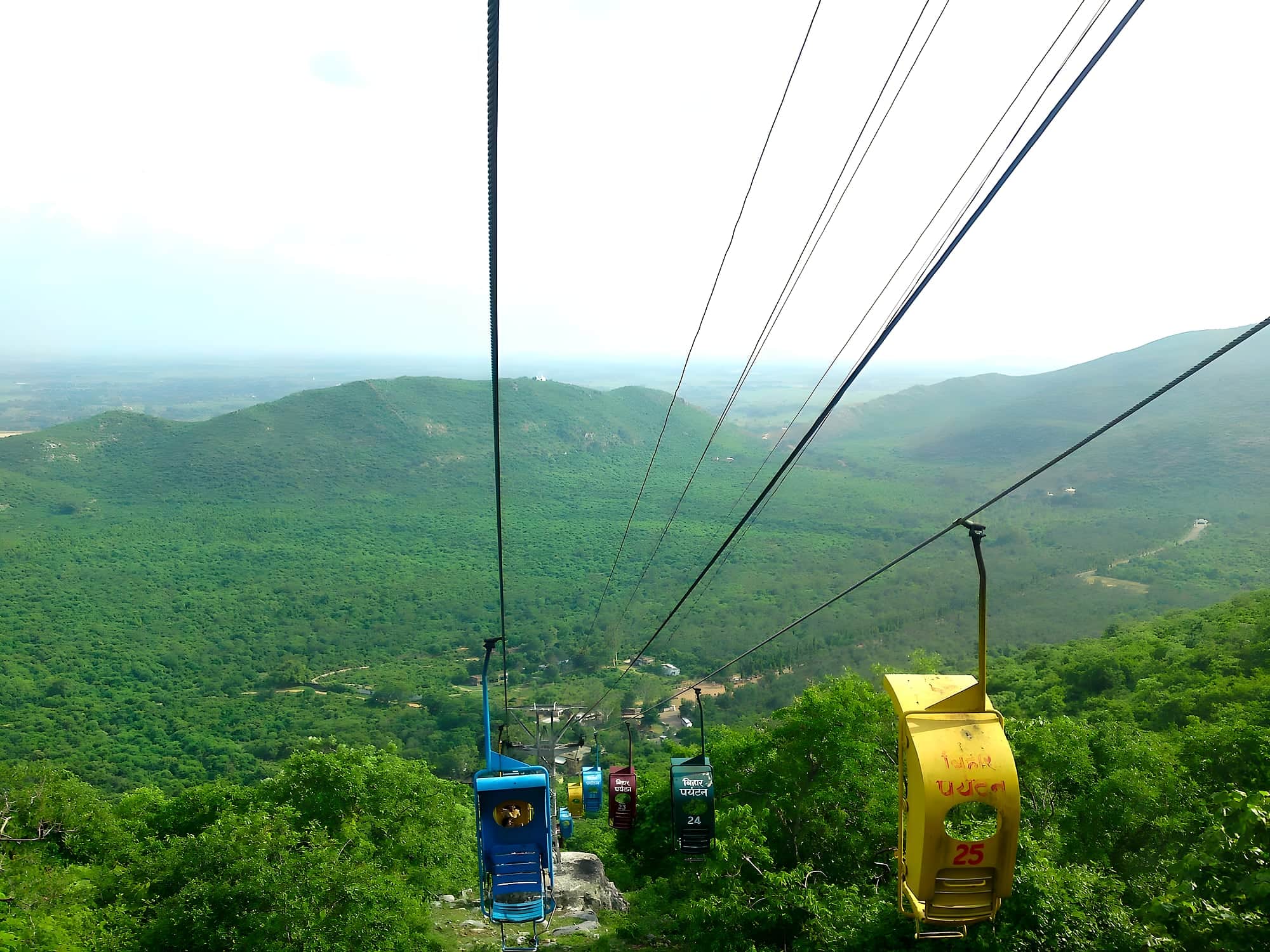
- Rohtasgarh Fort — A fort the size of a city, on a plateau in the sky
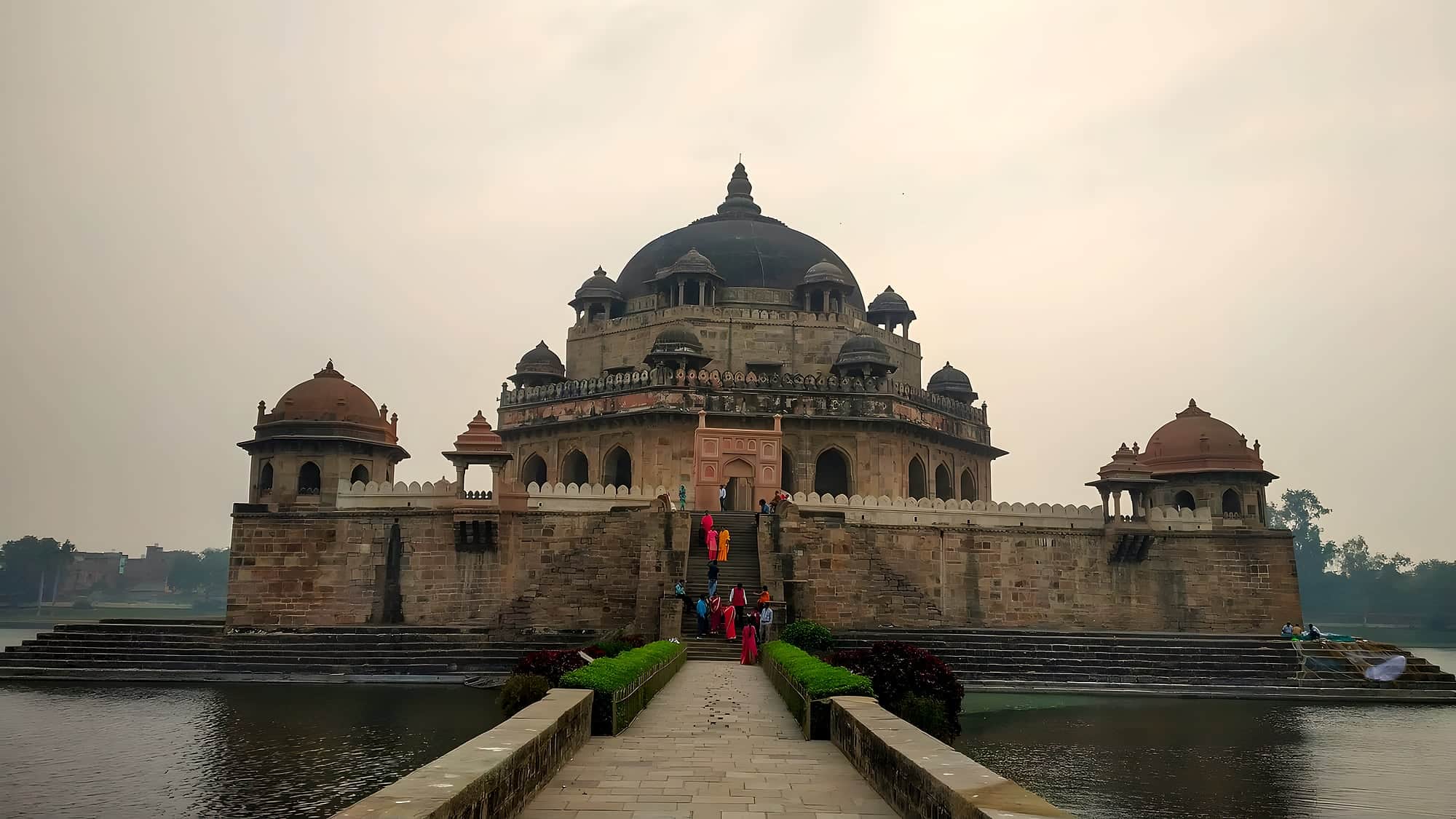
The gates open at six. Arrive at five-thirty and the lake is a sheet of dull pewter, the tomb floating on it, three storeys of red sandstone gone grey-rose in the half light. For twenty minutes you share it with a man feeding the geese and a boy practising cricket shots against the boundary wall.
Sher Shah Suri ruled for five years and in that time built the Grand Trunk Road, invented the rupee, and commissioned this — a mausoleum larger than any Mughal tomb that came before it, placed in the middle of an artificial lake so it would appear to float. He died in 1545 at Kalinjar and was carried home to it.
Walk the causeway, then the lower terrace. The octagon is the trick: from the shore it reads as a dome on a box, but up close every face is a different arrangement of chhatris and arches. The stucco inside is faded but the acoustics are perfect; speak at the centre and the dome speaks back.
By eight the school groups arrive. Leave for Hasan Khan's tomb — Sher Shah's father, a smaller, rougher rehearsal — then take the road south to Rohtasgarh if you've got a car and a full day. Otherwise, lunch at any dhaba on the GT Road, and come back to the lake at sunset when the stone turns the colour of a brick kiln.